

Slot Volatility Explained: Why Big Wins Feel So Rare
You hit spin for the twentieth time on a slot you've never played, and the reels land on three scatter symbols. Your heart jumps. A bonus round triggers, and after fifteen free spins you walk away with 4x your bet. Meanwhile, a streamer on your screen just cashed out 12,000x on the same game. Same slot, same stakes, wildly different outcomes. That gap isn't bad luck or a rigged machine — it's volatility, and it's the single most misunderstood concept in iGaming.
If you understand volatility, you stop chasing ghosts. You start choosing games that match your bankroll and your appetite for risk. Let's break it down properly, without the marketing fluff.
What Slot Volatility Actually Means
Volatility (sometimes called variance) describes how widely a slot's payouts swing around its average return. A high-volatility slot pays out rarely, but when it does, the amounts can be enormous. A low-volatility slot pays out frequently, but in small, steady chunks. The RTP — return to player — can be identical across both, and that's the trap. Two slots can both sit at 96% RTP while offering completely different experiences.
Think of it like two lottery-style games. Game A gives you $1 back nine times out of ten. Game B gives you $100 back once every hundred plays and nothing the rest of the time. Both return roughly the same over millions of spins. But your session in the next hour will feel nothing alike. More background can be found at 88CLB.
- Low volatility: frequent small wins, slow bankroll drain, longer sessions. Examples tend to be classic 3-reel games and many fruit slots.
- Medium volatility: a balance of hit frequency and payout size. Good for players who want occasional decent wins without brutal dry spells.
- High volatility: long losing streaks punctuated by huge multipliers. Think Megaways titles, bonus-buy slots, and most streamer favourites.
A useful concrete number: a low-volatility slot might have a hit rate around 1 in 3 spins. A brutal high-volatility title can drop below 1 in 5, and its max win can exceed 50,000x your stake. That spread is not a bug. It's the design.
The Volatility Trap Most Players Fall Into
Here's where it gets expensive. Players watch a highlight reel of someone landing a 10,000x win on a high-volatility slot, load the same game with $50, and expect the same result. Statistically, that $50 might last twenty minutes — or five. High volatility requires either a much bigger bankroll or a much smaller bet size relative to your balance.
A rough rule that works in practice: if you're playing a high-volatility slot, your bet should be no more than 0.5% to 1% of your total session bankroll. On a low-volatility game, 2% to 5% is far more reasonable because the swings are gentler. That single adjustment changes how long you actually get to play.
There's also a psychological angle. High-volatility slots are engineered to trigger strong emotional responses — near misses, escalating multipliers, bonus teases. That's not accidental. It's the same reward-scheduling logic used in mobile game design. Recognising it doesn't make you immune, but it does make you less likely to dump your balance chasing a trigger that may never come.
How Volatility Plays Out in Other iGaming Verticals
Volatility isn't just a slot thing. The concept translates across the entire iGaming ecosystem, though the mechanics differ.
Poker
In poker, variance is driven by hand distributions and opponent tendencies rather than RNG. A tournament player faces far higher variance than a cash game grinder — you can play perfectly and bust on the bubble to a two-outer. Cash games smooth this out because you can rebuy and your edge compounds over thousands of hands. This is why serious players talk about win rates in bb/100 (big blinds per 100 hands) rather than session results. One session means nothing. A hundred thousand hands tells the truth.
Sports Betting
Betting volatility comes from odds and stake sizing. Backing heavy favourites at 1.20 offers low volatility — small, frequent returns. Backing longshots at 15.00 is the betting equivalent of a high-volatility slot: rare wins, massive payouts when they land. Parlays and accumulators multiply both the odds and the variance. A five-leg parlay at 20.00 looks tempting until you realise each leg multiplies your risk, not your edge.
Live Casino
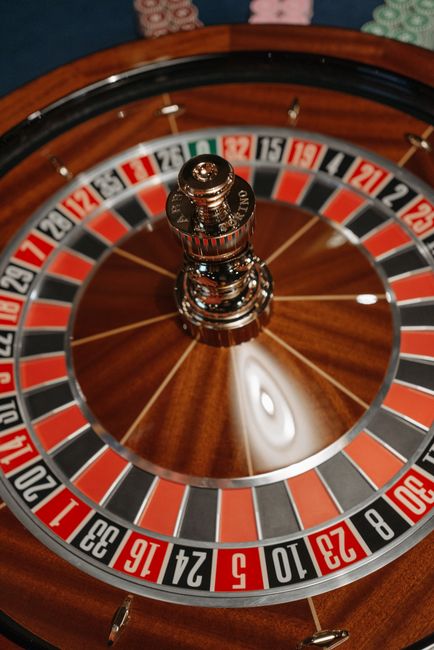
Live dealer games sit all over the map. Baccarat betting on the banker is low variance. Roulette straight-up numbers are high variance. Blackjack with basic strategy sits in the middle, but adding side bets — like Perfect Pairs or 21+3 — cranks the volatility up hard while dragging RTP down. 88CLB COM is a solid starting point for anyone new to this.
Matching Volatility to Your Session
The right volatility depends entirely on what you want from the session. There's no universal answer, only trade-offs.
- Short session, small bankroll? Go low or medium volatility. You want the session to last, and frequent small wins keep the entertainment value up.
- Chasing a big score? High volatility is the only tool that can deliver it, but size your bets so a cold streak doesn't wipe you out in ten minutes.
- Testing a new game? Play in demo mode first. Most operators offer free spins on demo versions precisely so you can feel the rhythm before committing real money.
- Grinding bonuses or wagering requirements? Lower volatility usually helps here because steadier returns mean less chance of busting before you clear the requirement.
One more practical tip: check the max win and hit frequency before you spin. Most reputable slots publish both. A slot with a 5,000x max win and a 25% hit rate plays very differently from one with a 100,000x max and a 15% hit rate, even at the same RTP.
The Bottom Line
Volatility is not a flaw to be avoided — it's a dial, and understanding it puts you in control of your own experience. The players who lose consistently aren't unlucky. They're usually mismatched: high-volatility games with low-volatility bankrolls, or vice versa. Pick the game that fits your money and your mood, respect the math, and treat every spin as entertainment rather than a paycheque. The slots will do what they always do. The only variable you actually control is you.


River Walks
-
These quiet routes follow slow-moving water where herons, kingfishers and dippers are often seen. Bring binoculars and avoid disturbing nests during spring.


Conservation




-

Long established fact that a reader will be distracted
-

Long established fact that a reader will be distracted
-

Long established fact that a reader will be distracted



Freshwater Wildlife
Karla Gleichauf
12 May 2017 at 05:28 pm
On the other hand, we denounce with righteous indignation and dislike men who are so beguiled and demoralized by the charms of pleasure of the moment
M Shyamalan
12 May 2017 at 05:28 pm
On the other hand, we denounce with righteous indignation and dislike men who are so beguiled and demoralized by the charms of pleasure of the moment
Liz Montano
12 May 2017 at 05:28 pm
On the other hand, we denounce with righteous indignation and dislike men who are so beguiled and demoralized by the charms of pleasure of the moment