

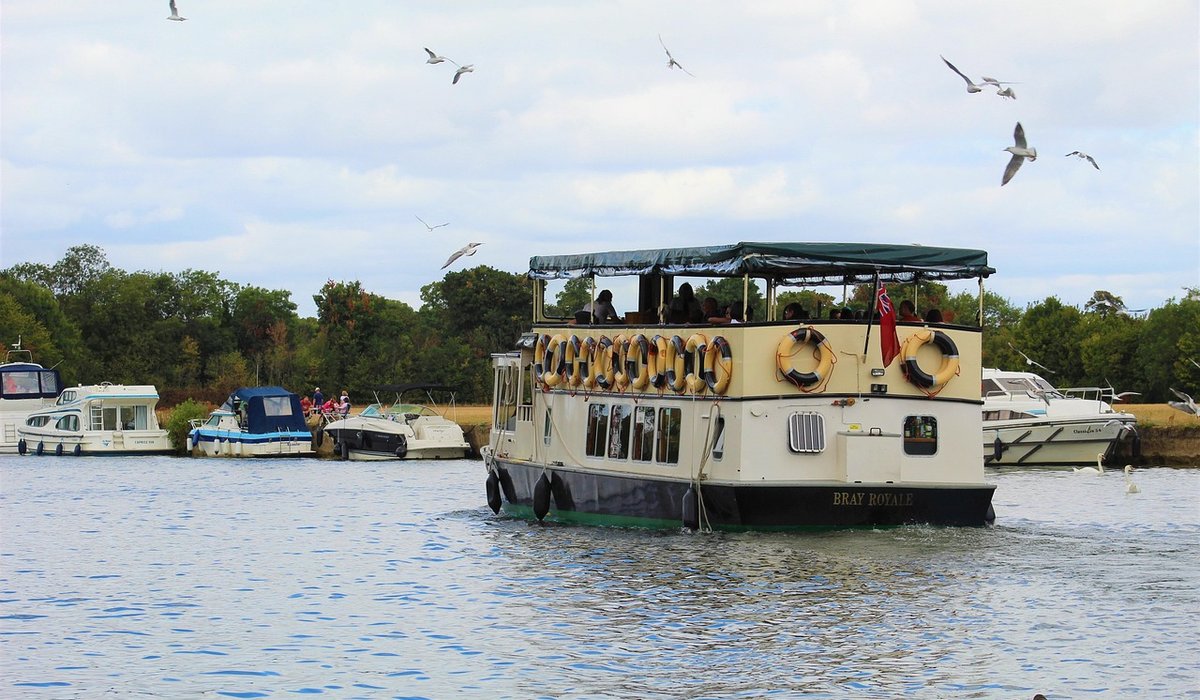
Five Gentle River Walks for Birdwatchers
There is a particular kind of birdwatching that asks for no hides, no dawn alarms and no long lenses. It simply asks you to walk slowly beside moving water, stop often and look. Rivers and canals across the UK offer some of the most rewarding birding at a gentle pace, and the birds you meet — the heron standing like a grey statue, the kingfisher's electric blue flash, the dipper bobbing on a wet stone — are among our most memorable.
The routes below are easy underfoot, mostly flat, and short enough for a morning or a slow afternoon. None requires more than a decent pair of binoculars, and all reward patience more than distance.
Why slow rivers suit birdwatchers
Fast water is exciting, but slow water is generous. Where the current eases you find what birds need: shallow margins, trailing vegetation, overhanging branches and quiet pools where fish gather. These are the places where a heron will stand for an hour, where a dipper will work a stretch of gravel, and where a kingfisher will perch on a low branch before dropping in for a fish.
Because the water moves gently, so can you. There is no rush to cover distance, and the birds are not being swept along either. Settle on a bench, watch one bend for twenty minutes, and you will see more than by striding a whole valley.
Five gentle routes to try
- The chalk streams of Hampshire. The River Test and its tributaries run gin-clear through water meadows. Paths beside them are flat and quiet, often shaded by alder and willow. Look for grey wagtail on the shallows and little grebe in the deeper bends.
- The upper Wye near Builth Wells. A riverside path follows the water through soft farmland, with stiles and gates but no steep climbs. Dippers are reliable here in winter and early spring, and goosander often drift past in small parties.
- The River Wharfe at Burnsall. A short, level walk beside the river, with grassy banks that make stopping easy. Oystercatcher and common sandpiper work the shingle in spring, and grey heron are almost guaranteed.
- The River Dart at Buckfastleigh. A gentle stretch along the valley floor, with wooded banks and a good chance of kingfisher. The path is well made and mostly level, and there are plenty of places to sit and scan.
- The River Tweed near Melrose. Wide, slow and stately, with a level path along the bank. Goosander, goldeneye and the occasional otter share the water, while kingfishers patrol the quieter side channels.
Treat these as starting points rather than prescriptions. Almost every county has a gentle river walk within reach, and the best one is usually the closest to home.
What you might see, and when
Riverside birding has its own rhythm. In winter and early spring, dippers and grey wagtails are at their most visible, and goosander gather in loose flocks. As the year warms, common sandpipers and oystercatchers return to gravel banks, and herons begin to fish the shallows in earnest. Kingfishers are present all year but easiest to spot in the colder months.
Learn three or four calls and your sightings will multiply. The kingfisher's sharp, high whistle usually reaches you before the bird does. The dipper's dry, rattling song is unmistakable once heard. A heron's harsh croak tells you it was there even if you missed the bird.
Binoculars, patience and a quiet approach
You do not need expensive optics, but you do need binoculars that suit your hands and eyes. Something around 8x42 is a good general choice: bright enough for shaded banks and wide enough to find a moving bird quickly. Keep them on a short strap across your chest, so you can raise them without fumbling.
Walk slowly and stop often. Birds on rivers read movement and noise, so a person who pauses every few minutes sees more than one who strides steadily. Approach bends from the inside, use trees and bushes as cover, and scan ahead before you step into the open. If you find a productive spot, stay there.
Spring nesting and keeping your distance
Spring is the most sensitive season on any river. Dippers, grey wagtails, kingfishers and sandpipers all nest close to the water, sometimes in banks, sometimes under overhangs or in holes in stonework. A bird flushed from a nest may abandon it, and repeated disturbance can cost a whole brood.
- Keep to the path and resist the urge to push through bankside vegetation.
- If a bird gives a sharp alarm call or a distraction display, you are too close. Back away quietly and change your route.
- Never approach a nest, even for a photograph, and keep dogs on a lead near the water in spring and early summer.
- Watch from a distance with binoculars rather than moving closer for a better view.
These small courtesies cost you very little and protect the birds you have come to see.
A few gentle reminders
Take your time, dress for the weather and carry a flask. Rivers are cold and damp even on bright days, and the best sightings often come when you have settled somewhere comfortable and stopped trying. Leave nothing behind, keep your voice low, and let the water set the pace. Do that, and a simple walk beside a slow river will quietly become one of the best birdwatching hours of your year.


River Walks
-
Learn to recognise mayfly nymphs, caddis larvae and freshwater shrimp by their shape and movement. Gentle kick-sampling reveals what lives beneath the surface.
Conservation


-

Long established fact that a reader will be distracted
-

Long established fact that a reader will be distracted
-

Long established fact that a reader will be distracted



Freshwater Wildlife
Karla Gleichauf
12 May 2017 at 05:28 pm
On the other hand, we denounce with righteous indignation and dislike men who are so beguiled and demoralized by the charms of pleasure of the moment
M Shyamalan
12 May 2017 at 05:28 pm
On the other hand, we denounce with righteous indignation and dislike men who are so beguiled and demoralized by the charms of pleasure of the moment
Liz Montano
12 May 2017 at 05:28 pm
On the other hand, we denounce with righteous indignation and dislike men who are so beguiled and demoralized by the charms of pleasure of the moment