

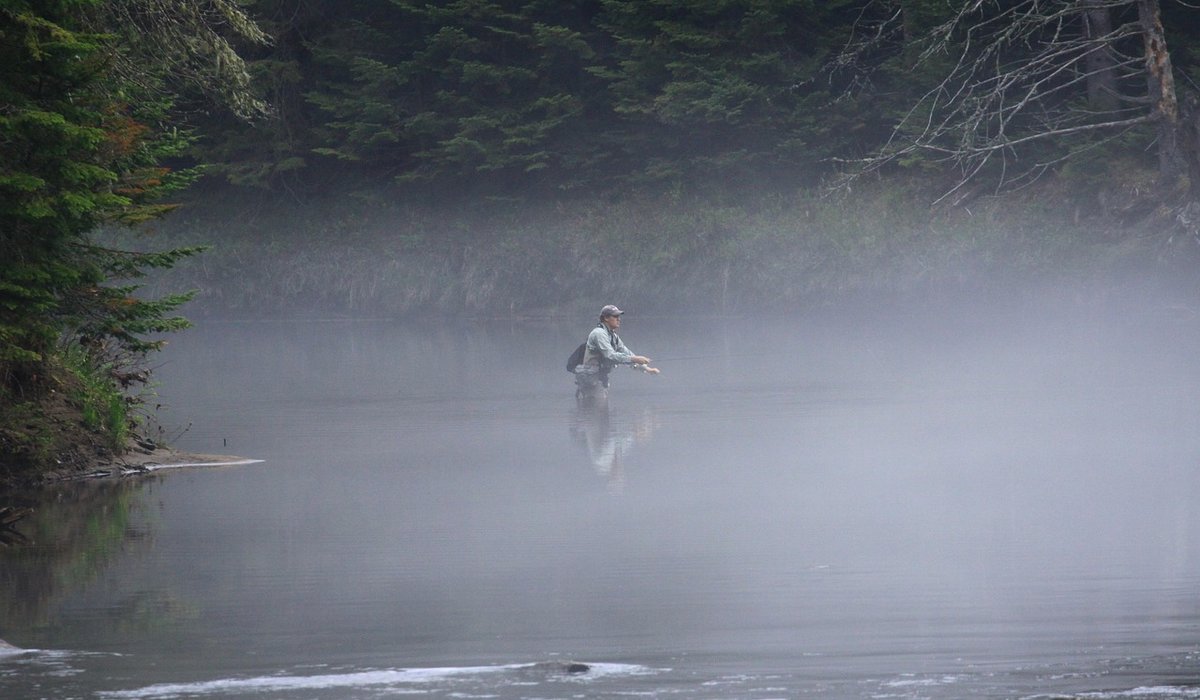
Photographing Kingfishers from a Hidden Bank
The Blue Flash That Never Sits Still
Ask any river photographer which bird they would most like to capture properly and the answer is usually the same: the kingfisher. It is a bird almost everyone has seen, yet almost no one has seen well. The typical encounter lasts two seconds — a low, straight streak of electric blue skimming a bend in the river, a sharp peep, and then nothing. Chasing that streak with a camera is hopeless. Photographing kingfishers properly means turning the encounter on its head: instead of pursuing the bird, you let it come to you.
That takes a decent telephoto lens, a bit of camouflage, and a stubborn willingness to sit still in the cold for an hour longer than you think is reasonable. Do all three well and a kingfisher will eventually land within a few metres of you, entirely unaware of your existence, and hunt as though you were not there. That is the shot worth having.
Reading the River Before You Set Up
Kingfishers are territorial and methodical. A bird on a stretch of river does not wander at random; it works a circuit of favoured perches, diving from each one, resting, then moving on. Find the circuit and you have found your photograph.
Look for a low branch overhanging water with a clear drop beneath it — often an alder, willow or hawthorn, usually between half a metre and two metres above the surface. Better still, look for the signs: a scattering of small white droppings on the branch or bank beneath, or a run of tiny fish scales on a favoured stone. Riffles, weir pools, sluices and the shallow gravelly edges where minnows and sticklebacks gather are the larders. A perch above one of these will be used again and again, often within minutes of your first visit.
Spend your first outing without the camera. Walk the stretch at first light with binoculars, note where the bird appears, which way it flies and which perches it actually uses. Then pick a bank where the morning sun comes from behind your shoulder. In autumn and winter, low golden light across water is worth more than any piece of equipment.
The Hide, and How to Disappear
A pop-up hide is ideal, but a simple length of camouflage scrim draped over a bank-side screen of reeds works just as well. The point is not to look like a bush; it is to break up the human outline and, more importantly, to stop you moving.
- Set your hide at least eight to ten metres back from the perch, never on the skyline.
- Wear dull greens, browns and greys, and cover hands and face — they are what gives you away.
- Avoid rustling waterproofs, loose straps and anything reflective. Tape over shiny lens hoods.
- Never stand between the perch and open water; leave the bird a clear flight line and an escape route.
- Use existing gaps in vegetation. Do not cut branches or trample marginal plants to make a window.
Get in position before the bird is active — before dawn in summer, well before dusk in winter — and then stay put. Give it a quiet forty-five minutes before you expect anything. Sit still, keep the camera up on its support, and resist the urge to check your phone or shift your weight. Kingfishers read movement instantly.
Kit and Settings for a Small, Fast Subject
A 400mm to 600mm lens on a crop-sensor body is the practical sweet spot. A 1.4x converter helps in good light if you need extra reach. Support matters as much as glass: a tripod with a gimbal head, or a beanbag on a soft bank, will keep you steady through a long wait.
- Shutter speed: 1/1000s for a perched bird, 1/2500s or faster for a dive.
- Aperture: around f/5.6 to f/8 — enough depth of field for the bill and eye.
- ISO: auto, up to 6400. A sharp, slightly grainy frame beats a clean blur.
- Focus: continuous autofocus on a small zone, pre-focused on the perch, back-button focusing.
- Drive: burst mode, ready before the head dips.
Expose for the blues rather than the whites. That brilliant azure on the back and crown clips easily, and so does the white neck patch — check your histogram and drop a third of a stop if the highlights are crowding the right edge. Learn the pre-dive tell: the body tenses, the head tilts down, the tail lifts. That is your moment.
Fieldcraft, the Law and the River Itself
Kingfishers are protected under the Wildlife and Countryside Act, and disturbing a nest — a tunnel dug into a vertical bank, usually between March and July — is an offence. Keep well away from nest banks, and if a bird is carrying fish at speed, you are almost certainly too close.
Do not bait with live fish, do not play recordings, and never flush a bird for a flight shot. Every unnecessary flight costs energy the bird cannot spare, particularly in a hard frost. Leave the bank exactly as you found it: marginal plants hold the bank together, and a boot print in soft silt stays for months.
Clean your boots and kit between rivers to slow the spread of invasive species, and report pollution, fish kills or unusual bank damage to the relevant river trust or the Environment Agency. A photographer who looks after the river will always have kingfishers to photograph.
The Reward of Sitting Still
You will spend many hours seeing nothing at all. Then, without warning, a splash of blue will drop onto the branch in front of you, shake itself, and turn that unmistakable head. It will sit for perhaps thirty seconds, watching the water. In that moment all the discomfort of a damp dawn disappears, and you will have the photograph you came for — followed, if you are lucky, by a dive you can actually follow through the viewfinder. Stay put afterwards. The bird often returns to the same perch within a few minutes, and the second visit is usually better than the first.


River Walks
-
A polarising filter cuts glare from water and boosts colour in foliage. Rotate it slowly to find the strongest effect without making the scene look unnatural.

Conservation


-

Long established fact that a reader will be distracted
-

Long established fact that a reader will be distracted
-

Long established fact that a reader will be distracted



Freshwater Wildlife
Karla Gleichauf
12 May 2017 at 05:28 pm
On the other hand, we denounce with righteous indignation and dislike men who are so beguiled and demoralized by the charms of pleasure of the moment
M Shyamalan
12 May 2017 at 05:28 pm
On the other hand, we denounce with righteous indignation and dislike men who are so beguiled and demoralized by the charms of pleasure of the moment
Liz Montano
12 May 2017 at 05:28 pm
On the other hand, we denounce with righteous indignation and dislike men who are so beguiled and demoralized by the charms of pleasure of the moment