

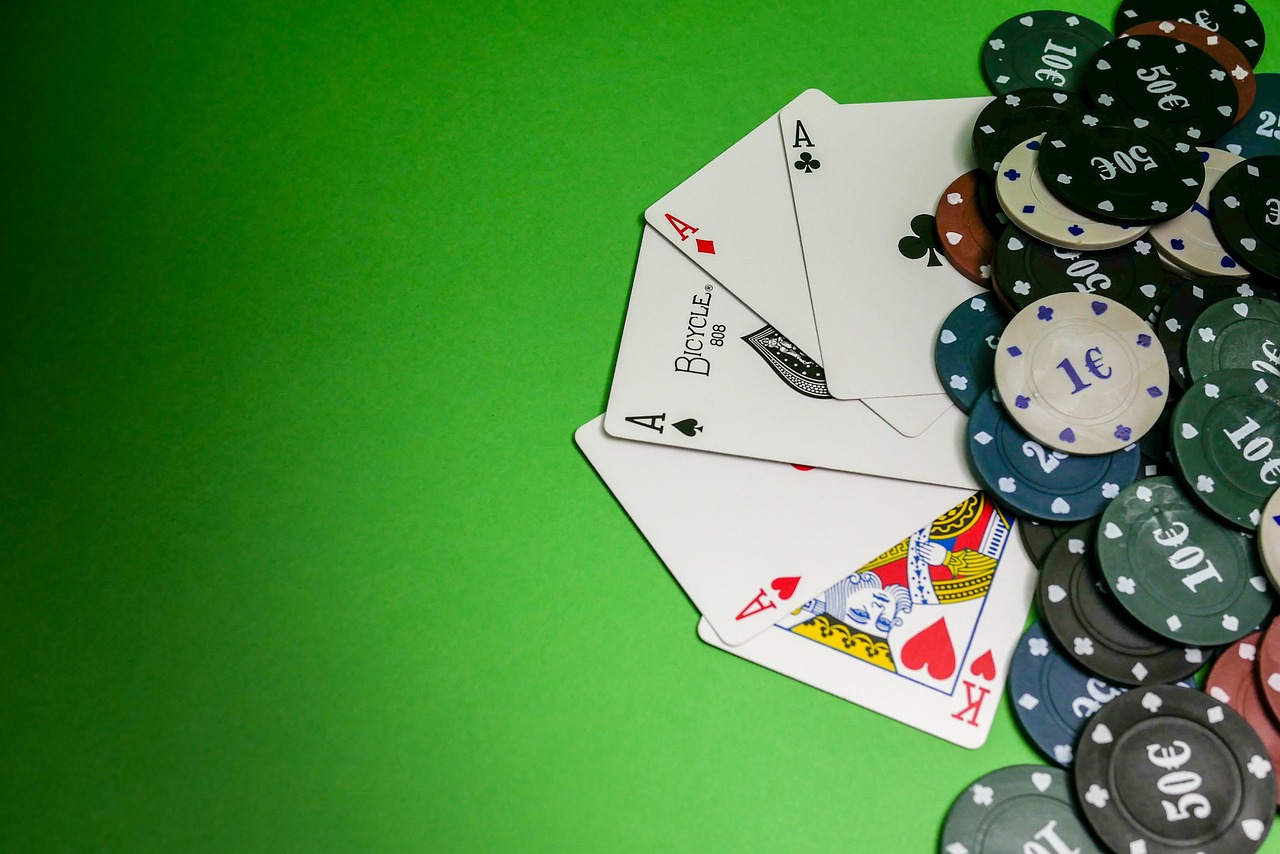
Slots, Poker, and the Real Math Behind Your Bets
Ask ten gamblers why they play and you'll get ten different answers. The thrill of a jackpot, the mental chess match of a poker table, the quiet ritual of a Sunday accumulator. But strip away the stories and you're left with something colder and far more interesting: numbers. Every spin, hand, and bet is a small mathematical event with a known long-term cost. Understanding that cost is the single biggest difference between a player who lasts and one who donates their bankroll in a weekend.
This isn't a lecture about quitting. It's a tour through what's actually happening when you click Spin or raise preflop, why some games are dramatically better than others, and how to get more entertainment per dollar from the same hobby.
House Edge: The Price of Admission
Every casino game carries a built-in profit margin for the operator. That margin is the house edge, and it never sleeps. On European roulette it sits at 2.7 percent. On American roulette, thanks to that extra double zero, it jumps to 5.26 percent — nearly double the cost for the same experience. That's not a small detail. It's the difference between losing $27 and $53 per $1,000 wagered, over time. There is a useful overview at lô đề online.
Slots are where this gets murky. Their edge isn't advertised. It's buried in the RTP (return to player) percentage, which typically ranges from 92 to 97 percent. A 94 percent RTP slot keeps 6 cents of every dollar cycled through it. A 97 percent slot keeps 3. Put 500 spins through each at $1 and you've just compared a $30 expected loss to a $15 one. Same fun, half the bleed.
- Blackjack (basic strategy): roughly 0.5 percent edge with decent rules
- Baccarat (banker bet): about 1.06 percent
- European roulette: 2.7 percent
- American roulette: 5.26 percent
- Online slots: typically 3 to 8 percent, depending on the title
If you're going to play anyway, at least know what you're paying for the seat.
Why Volatility Matters More Than You Think
Two slots can have identical RTPs and feel like completely different animals. The variable is volatility. A low-volatility game pays small amounts frequently — think 0.2x to 2x your stake, lots of small wins. A high-volatility game like a Megaways title might go 300 spins without a meaningful hit, then slam you with a 500x multiplier.
Neither is better in a vacuum. But your bankroll and patience need to match the game. Chasing a 5,000x jackpot on a $50 bankroll is an exercise in frustration. Low-volatility slots exist precisely because not everyone wants to wait hours for a single payout.
A practical rule: your session bankroll should be at least 200x your average bet on a high-volatility slot. On a low-volatility game, 100x is usually fine.
Poker Is Not Gambling in the Same Way — And That's the Point
Here's the thing that confuses casual bettors: in poker, you're not betting against the house. You're betting against other people, and the house takes a small cut called the rake. That single fact changes everything.
In slots and roulette, skill barely moves the needle. In poker, it's the entire game. A strong player can win consistently over thousands of hands because their decisions have positive expected value. A weak player loses regardless of how the cards fall in any single session.
But skill in poker isn't about bluffing like in the movies. It's about:
- Position. Acting last gives you information everyone else doesn't have.
- Pot odds. Calling $20 to win a $100 pot requires at least 20 percent equity to break even.
- Range thinking. You're not asking what your opponent has — you're asking what range of hands they'd play this way.
- Bankroll management. A cash game player needs 20 to 30 buy-ins. A tournament player needs 50 to 100 entries.
- Emotional control. Tilt is the most expensive leak in the game, period.
Online poker rooms make it easy to play thousands of hands a week. That volume is both the reward and the trap. Play well and the edge compounds. Play badly and the rake eats you alive.
Sports Betting: Where the Margin Lives in the Odds
Sports betting feels more analytical than slots — and it is, to a degree. But the bookmaker's edge is baked into the odds. A typical NFL point spread is priced at -110 on both sides, meaning you risk $110 to win $100. That $10 premium is the vig, and it implies a break-even win rate of 52.4 percent.
So a bettor who wins 51 percent of their picks is actually losing money. This is why handicappers obsess over line movement and sharp money. The edge in sports betting exists, but it's measured in fractions of a percent, and it requires either deep modeling or access to soft lines before the market adjusts.
Live betting and prop markets open more inefficiencies, but they also carry higher margins — sometimes 8 to 12 percent. The best value almost always lives in the main markets: moneylines, spreads, and totals.
Practical Takeaways for the Sensible Player
None of this is meant to be a wet blanket. Gambling is entertainment, and entertainment has a price. The goal is to pay a fair price for a fair amount of fun. A few habits that consistently separate sharper players from the rest:
- Check the RTP before you spin. Any reputable slot lists it in the game info tab. Anything under 94 percent is a hard pass.
- Set a session loss limit and treat it like a fixed ticket price. When it's gone, the show is over.
- Avoid jackpot side bets unless you're explicitly paying for the jackpot lottery thrill. Their edge is often 15 percent or worse.
- Use bonuses intelligently. A 100 percent match with a 40x wagering requirement on slots is very different from the same bonus on blackjack, where contributions are often 10 percent.
- Track your results over sessions, not spins. Short-term variance is noise. Month-long trends are signal.
- Play the game with the lowest edge for the experience you want, whether that's poker, blackjack, or a specific slot you actually enjoy.
The Long View
The iGaming industry thrives on the illusion that the next spin is different. The math says otherwise. Every game is a slow, predictable gradient of losses dressed up in lights, sounds, and near-misses. That's not cynicism — it's clarity. Once you see the machinery, you stop chasing jackpots that don't exist and start choosing games the way you'd choose a restaurant: by quality, cost, and what you actually want out of the evening. Play the numbers, don't let them play you. And if the session stops being fun five minutes in, cash out and walk away. That single decision is worth more than any strategy chart ever printed.


River Walks
-
These quiet routes follow slow-moving water where herons, kingfishers and dippers are often seen. Bring binoculars and avoid disturbing nests during spring.


Conservation




-

Long established fact that a reader will be distracted
-

Long established fact that a reader will be distracted
-

Long established fact that a reader will be distracted



Freshwater Wildlife
Karla Gleichauf
12 May 2017 at 05:28 pm
On the other hand, we denounce with righteous indignation and dislike men who are so beguiled and demoralized by the charms of pleasure of the moment
M Shyamalan
12 May 2017 at 05:28 pm
On the other hand, we denounce with righteous indignation and dislike men who are so beguiled and demoralized by the charms of pleasure of the moment
Liz Montano
12 May 2017 at 05:28 pm
On the other hand, we denounce with righteous indignation and dislike men who are so beguiled and demoralized by the charms of pleasure of the moment